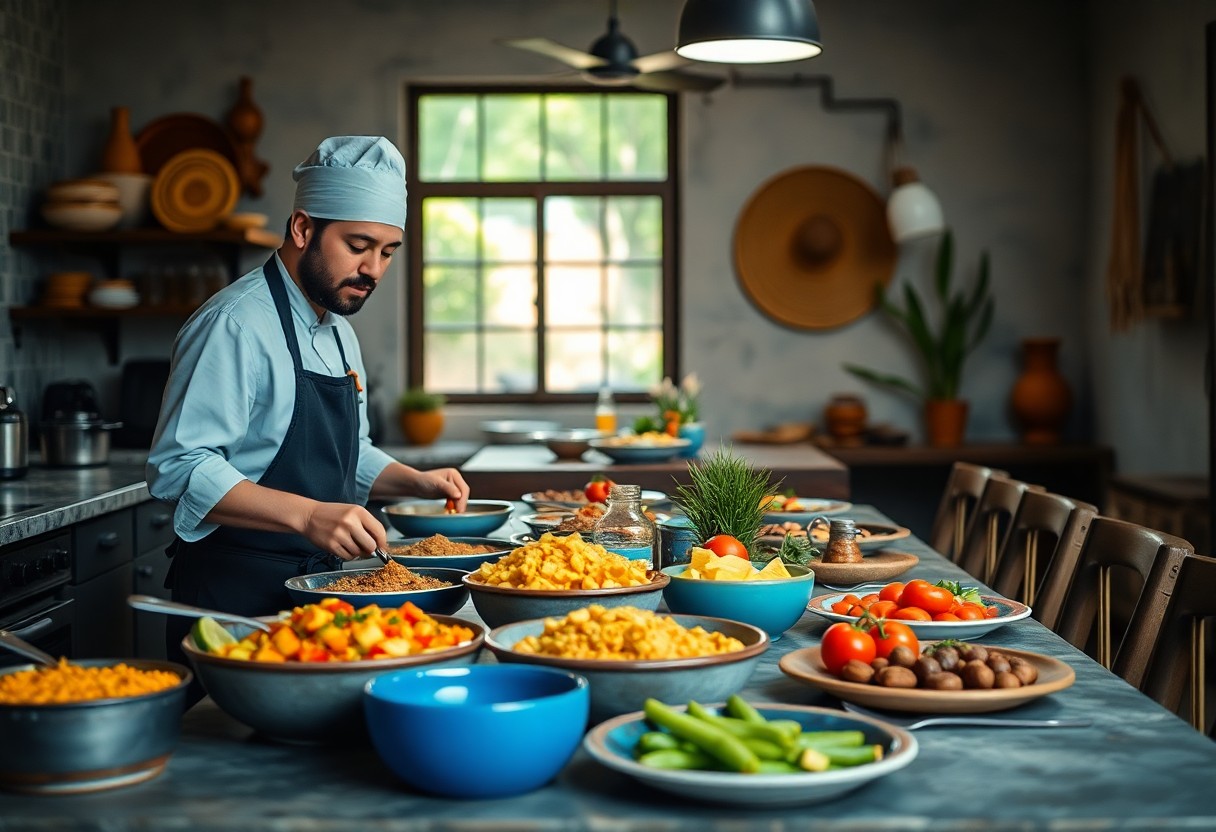


In the digital age, the concept of “foodtech” in Mexico is revolutionizing how we perceive homemade food and the interaction between hosts and diners. This trend not only makes authentic dishes more accessible but also strengthens the relationship between you and those who cook for you. By integrating technology into gastronomy, platforms that promote closer, more personalized experiences are emerging, allowing you to enjoy the warmth of home in every bite.
Key Takeaways:
-
The foodtech concept in Mexico enables direct connection between hosts and diners.
-
Digital platforms allow home cooks to offer their food and services to a wider audience.
-
The homemade food trend promotes authenticity and variety in the local culinary scene.
-
Consumers are seeking unique, personalized experiences through home-cooked meals.
-
Technology is changing how homemade food is perceived and distributed, making it more accessible and convenient.
Definition and Evolution of Foodtech
Foodtech refers to the intersection between technology and the food industry, encompassing everything from delivery apps to innovative solutions in food production and distribution. In Mexico, this concept has evolved rapidly, driving business models that make homemade and artisanal foods more accessible while promoting sustainability and community connection.
Origins of Foodtech in Mexico
Foodtech in Mexico emerged over the last decade, driven by startups that identified opportunities in the food sector. From home delivery services to apps connecting local chefs with consumers, the landscape has expanded, helping modernize a traditional, high-potential industry. The rise of mobile technology and social media has been key to this growth.
Current Trends in Homemade Food
Homemade food is making a strong comeback thanks to technologies that connect consumers with authentic recipes and local cooks. The demand for fresh, handmade meals has fueled the growth of platforms that link customers directly with home kitchens, reflecting a shift toward more personal and sustainable food choices.
Current trends show growing interest in transparency and authenticity. Consumers increasingly seek culinary experiences that tell a story. Platforms like Cookapp and Doopla embody this idea, allowing hosts to share their craft while diners enjoy traditional dishes and family recipes that reflect Mexico’s cultural diversity. The focus on organic, local ingredients is also redefining how people value food in the digital era.
To better understand how these platforms strengthen the relationship between hosts and diners, discover how Homlunch connects cooks and tourists on the same plate and experience sharing authentic homemade food.
Impact on the Relationship Between Hosts and Diners
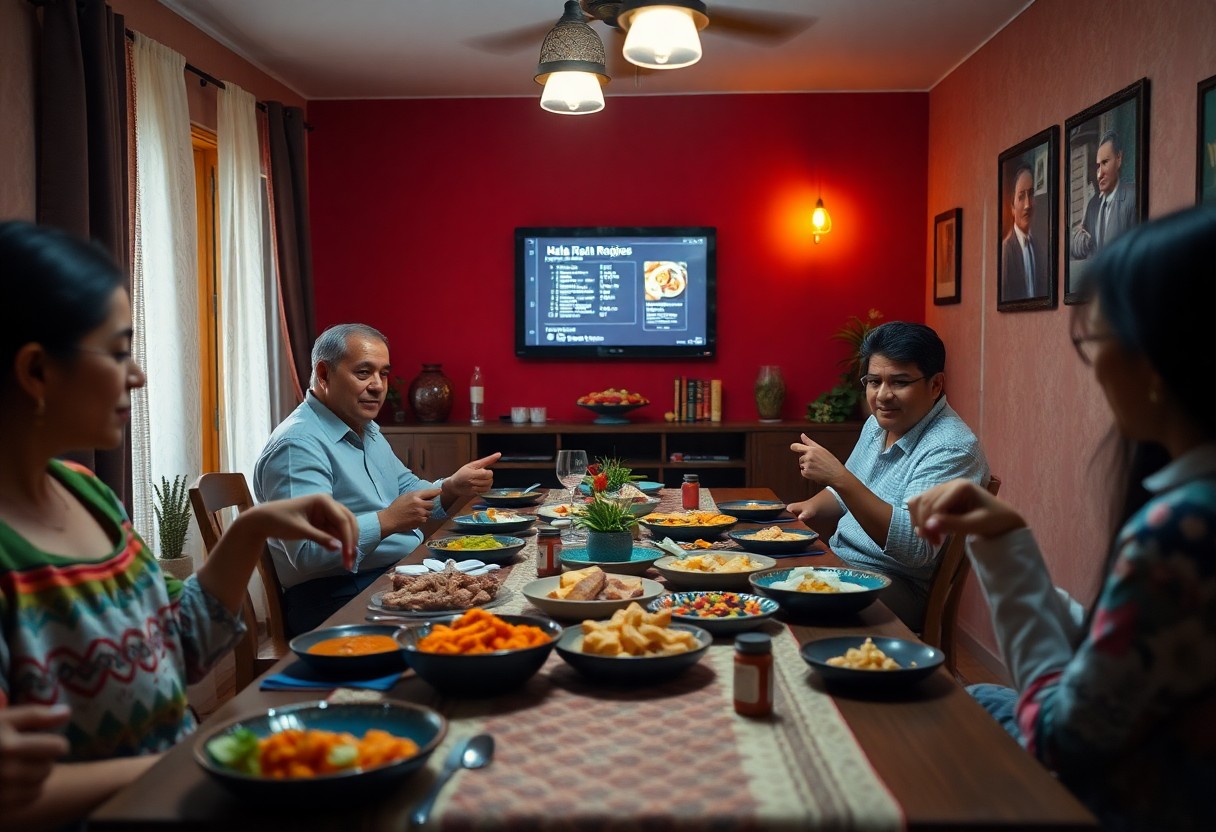
Foodtech in Mexico is reshaping the host-diner relationship, creating a space for personalized, meaningful culinary experiences. You can now enjoy the authenticity of homemade meals while building deeper connections with those who prepare them. This transformation not only enhances food quality but also fosters community and trust, essential ingredients for enjoying local flavors.
New Dynamics of Connection
Foodtech platforms make it easy for diners to connect directly with hosts. Through these apps, you can choose menus, contact cooks, and schedule tastings according to your preferences. This humanizes the dining experience and brings you closer to Mexico’s local culinary culture.
User Experience in Foodtech Platforms
User experience is key to the success of the foodtech model. From intuitive navigation to visual presentation, every detail is designed for enjoyment. You can filter options by cuisine type, read reviews, and view photos of dishes, making your choice informed and satisfying.
Each host profile typically includes verified ratings and reviews, giving you a clear idea of what to expect. Payment and booking processes are streamlined, ensuring a smooth experience from menu selection to delivery. This focus on user experience enhances satisfaction and loyalty, creating a sustainable ecosystem between hosts and diners.
Benefits of Homemade Food in Foodtech
Bringing homemade food into the foodtech space offers multiple benefits—from improving food quality to strengthening host-diner relationships. Access to traditional dishes made with fresh, local ingredients enriches the dining experience and fosters appreciation for Mexican culinary culture.
Sustainability and Support for Local Producers
Choosing homemade food supports local producers and contributes to a more sustainable economy. It reduces environmental impact by minimizing food transport and encourages sustainable agriculture while preserving regional food traditions.
Health and Nutrition Improvements
Homemade food allows better control over ingredients and portions, leading to a more balanced diet. Choosing fresh, home-prepared meals can reduce chronic disease risk and improve overall well-being—benefiting both physical and emotional health.
Challenges in the Foodtech Sector
The foodtech sector faces several challenges, including regulatory barriers, the need for differentiation, and pressure to innovate. Overcoming these requires creativity, adaptability, and a strong strategic vision to stay relevant.
Regulations and Compliance
Navigating food regulations can be complex. Businesses must meet health, labeling, and food safety standards that vary across regions. Lack of clarity can slow operations and affect consumer trust.
Competition and Market Adaptation
Competition in foodtech is fierce. Staying updated with trends and adapting quickly is crucial. Innovating in product offerings and business models helps you stand out. For example, startups like Chef en Casa have succeeded by offering personalized menus tailored to different diets, building emotional connections with customers.
Technology’s Role in Homemade Food
Technology is revolutionizing how we interact with homemade food, simplifying preparation and distribution while encouraging creativity in the kitchen. From smart appliances to mobile ordering, innovation makes authentic dining more efficient and accessible.
While many delivery apps prioritize speed, Homlunch focuses on authentic and human experiences; learn what sets Homlunch apart from other delivery apps and dark kitchens and discover how it combines technology with closeness and tradition.
Innovations in Preparation and Distribution
Modern tools like smart kitchen devices and ingredient delivery apps make cooking easier and faster. These innovations streamline the process while maintaining authenticity and quality.
Digital Platform Integration
Digital platforms now manage real-time orders, promotions, and customer feedback. Apps and social media amplify visibility for home cooks, allowing them to reach broader audiences. Studies show a 30% increase in customer engagement and satisfaction when personalized food experiences are offered through these platforms.
Future Outlook for Foodtech in Mexico
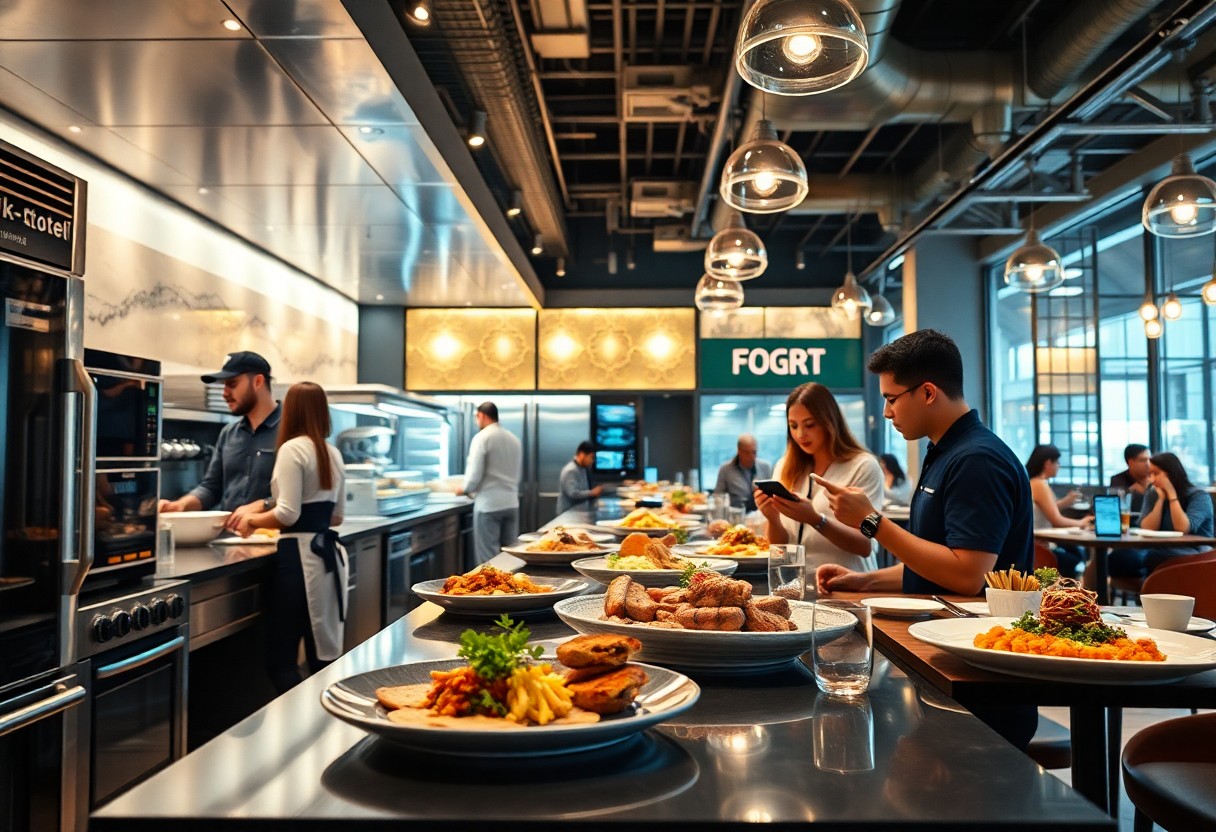
The future of foodtech in Mexico looks promising, driven by growing demand for quality, authentic dining experiences. Technology will continue to connect hosts and diners through personalized, direct interactions. The sector is projected to grow by more than 25% in the next five years, fueled by innovation, sustainability, and local gastronomy.
Changing consumer habits also favor homemade food and direct purchasing from local producers. Social media plays a major role, allowing hosts to share their stories and attract loyal communities around their dishes.
Conclusion
In summary, the concept of “Foodtech Mexico Homemade Food” is redefining how hosts and diners connect. Thanks to digital platforms, you can now access authentic, personalized dishes while supporting local cooks. This evolving ecosystem enhances food quality, celebrates Mexican culture, and turns every meal into a unique experience.
FAQ
Q: What is the concept of “foodtech” in Mexico as it relates to homemade food?
A: The concept of “foodtech” in Mexico refers to the use of technology to improve the production, distribution, and overall experience of homemade food, making it easier to connect home cooks with diners who are looking for authentic, traditional meals.
Q: How are hosts using technology to reach more diners?
A: Hosts use digital platforms and mobile apps to promote their dishes, manage orders, and communicate directly with diners, allowing them to reach a wider and more diverse audience.
Q: What benefits does homemade food offer to diners?
A: Homemade food offers diners a healthier, more authentic, and personalized alternative to fast food, along with the opportunity to enjoy traditional recipes and flavors that represent local culture.
Q: How does this model impact the local economy?
A: This model strengthens the local economy by encouraging the consumption of fresh, local products, generating income for hosts, and fostering a sense of community between consumers and cooks, promoting entrepreneurship in the culinary sector.
Q: What role do social media platforms play in promoting homemade food?
A: Social media plays a key role in promoting homemade food, allowing hosts to share photos, videos, and testimonials of their dishes, attracting potential diners and building a community around their culinary creations.