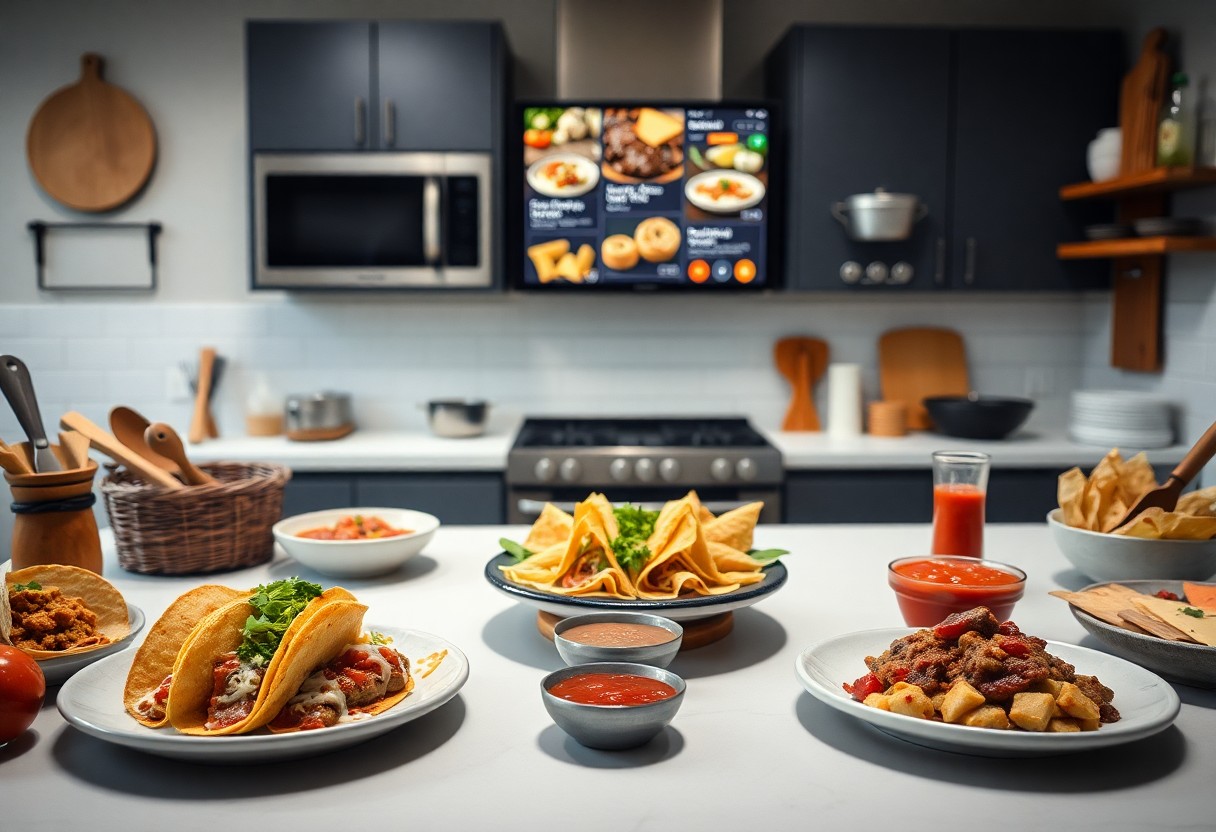


Currently, culinary entrepreneurship in Mexico is evolving thanks to home-cooked food marketplaces, which offer a unique opportunity to monetize your passion for cooking. These digital spaces not only support the local economy but also allow consumers to enjoy authentic, homemade dishes.
-
The home-cooked food market in Mexico is growing, driven by the demand for local and authentic products.
-
Culinary entrepreneurs have the opportunity to leverage digital platforms to reach a wider audience.
-
Interest in healthy and sustainable food options is increasing, creating a niche for homemade meals.
-
Community and trust are key factors in the success of these businesses, fostering direct relationships between chefs and consumers.
-
Innovation in packaging and presentation can enhance the customer experience and help entrepreneurs stand out in the market.
The Rise of Home-Cooked Food in Mexico
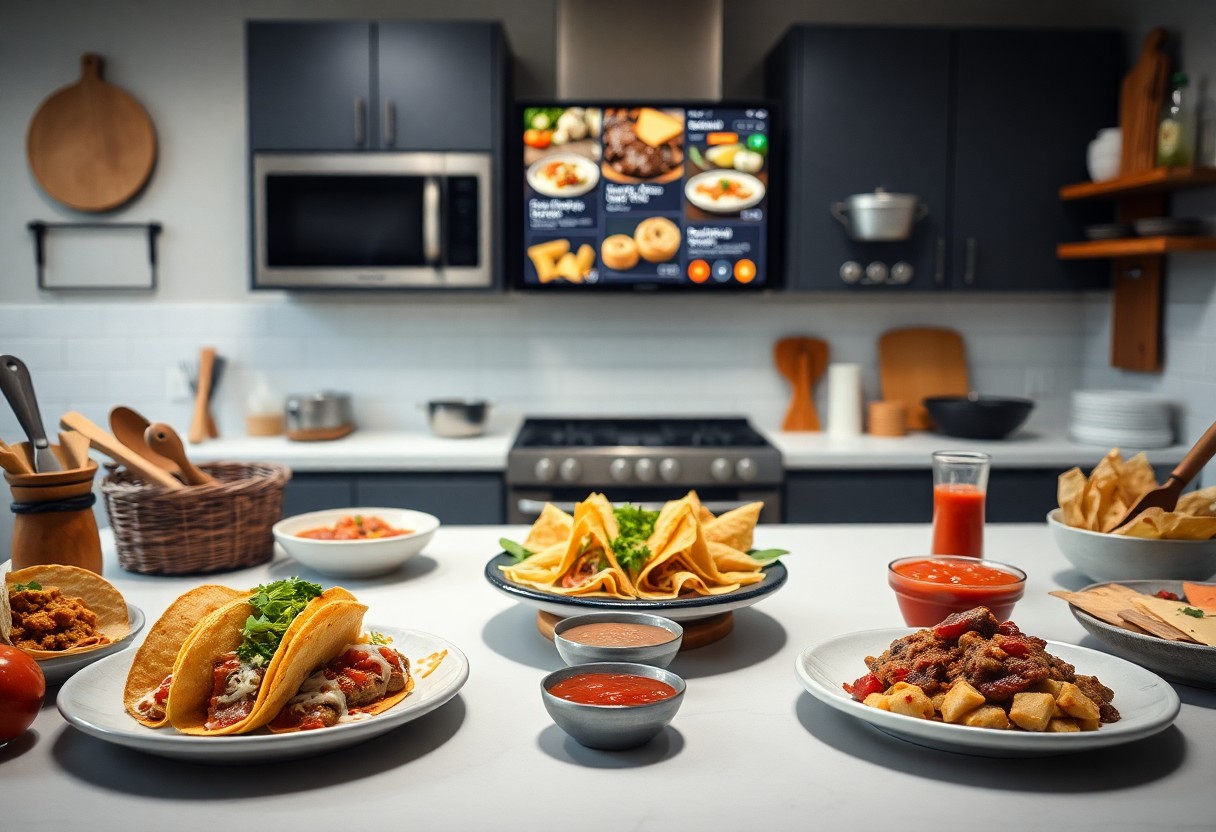
In Mexico, home-cooked food has experienced a remarkable resurgence due to the growing interest in authentic and local cuisine. With digital platforms facilitating access to these products, more and more people are opting for fresh, traditional ingredients. Consider joining this trend and discover how Start a Fast Food Business: Earn Money from Home! is becoming a viable option for many entrepreneurs.
Emerging Trends
Home-cooked food deliveries are on the rise, with entrepreneurs offering menus that highlight family recipes. Social media also plays a crucial role in promoting these options, creating a community to share recipes and experiences.
Cultural Impact
Home-cooked meals not only satisfy the palate; they also act as a bridge between generations. Many traditional dishes are passed down from grandparents to grandchildren, preserving culinary culture and fostering local identity. Your participation in this market can help keep these traditions alive.
Mexican cuisine is rich and diverse, reflecting its history and customs. By choosing to sell home-cooked food, you support a network of traditions that go beyond a plate; it’s a celebration of life, roots, and community. This resurgence encourages culinary innovation while valuing the lessons grandmothers have passed down through the years. Every dish tells a story you can share with your audience.
Marketplace Platforms
Marketplace platforms have revolutionized the way consumers access home-cooked food in Mexico. These apps allow local cooks to offer their dishes, facilitating direct connections between producers and consumers. This business model not only promotes the consumption of authentic food but also empowers culinary entrepreneurs seeking to establish themselves in the market.
Key Market Players
In the home-cooked food marketplace, key players include "Rappi," "Uber Eats," and specialized platforms such as "Cocinando en Casa." Each of these operators offers distinct features that benefit both cooks and users. For example, "Cocinando en Casa" focuses exclusively on local food entrepreneurs, creating a close and authentic community.
Business Model Comparison
Comparing business models in home-cooked food marketplaces reveals that each platform has its own approach. Some charge high commissions on sales, while others opt for fixed fees. Additionally, user experience and delivery logistics affect customer satisfaction and seller profitability. Choosing the right model can be crucial to your venture’s success.
Business Model Comparison
|
Features | |
|---|---|---|
| Commission per sale | High flexibility but lower margins for the seller. | |
| Fixed fee | More predictable income but higher risk for the provider. | |
| Monthly subscription | Fixed costs, ideal for sellers with high turnover. |
By examining these business models, it’s clear each has advantages and disadvantages. For example, a commission-per-sale system may appeal to new cooks who don’t want high upfront costs, but it could limit long-term earnings. Conversely, a fixed-fee model allows entrepreneurs to plan their income, although it poses a financial risk if sales fall short. Considering these factors helps you make informed decisions for your home-cooked food marketplace venture.
Benefits of Culinary Entrepreneurship
Culinary entrepreneurship offers a variety of benefits, from the ability to generate income independently to creating a family legacy. The high demand for unique and healthy food options allows you to access a growing market while turning your passion for cooking into a source of income. Additionally, by engaging in this sector, you contribute to your community’s well-being by offering fresh food prepared with natural ingredients.
Opportunities for New Entrepreneurs
The culinary entrepreneurship landscape is full of opportunities for new entrepreneurs. Digital platforms have simplified the selling process, enabling you to connect with customers seeking diverse and personalized options. Furthermore, the trend toward healthy and home-cooked food favors those offering artisanal products, allowing you to stand out by highlighting family recipes or regional specialties.
Sustainability and Support for Local Producers
Sustainability is a core principle of culinary entrepreneurship. By choosing ingredients from local producers, you contribute to your community’s economy and reduce your carbon footprint. This approach maximizes the freshness and quality of your products while creating direct connections with farmers and artisans who rely on your support.
Opting for ingredients from local producers invests in a more ethical and responsible supply chain. For example, highlighting the importance of farmers’ markets in your area can encourage the direct purchase of fresh fruits and vegetables, benefiting both your business and the local community. This creates a win-win ecosystem, from the farmer receiving a fair price to the consumer enjoying fresher, more nutritious food. By promoting these products, you also contribute to environmental sustainability and support responsible farming practices.
Challenges in the Home-Cooked Food Market
The home-cooked food market faces several challenges that entrepreneurs must overcome to succeed. The growing demand for authentic culinary experiences is positive but comes with the need for adaptation and resilience. Identifying barriers and how to overcome them is crucial for success in this field.
Regulations and Standards
Health and food regulations are a major challenge in the home-cooked food market. You must ensure compliance with sanitary requirements set by authorities, which may include licenses, inspections, and proper labeling. While these processes may seem complex, they are essential to guarantee the quality and safety of your products.
Competition and Differentiation
Competition in the home-cooked food market is fierce, making it necessary to find your niche. Clearly defining what makes you unique—whether through authentic family recipes or local ingredients—can help attract and retain customers. Don’t underestimate the power of storytelling and connecting emotionally with your audience.
To differentiate effectively, analyze what your competitors offer and look to fill gaps in the market. For instance, if rivals dominate traditional cuisine, you could specialize in healthy or vegan options. Additionally, fostering social media interaction, creating a community around your brand, and offering tastings or events can increase visibility and customer loyalty.
The Future of Culinary Entrepreneurship
The future of culinary entrepreneurship in Mexico is projected as a vibrant and innovative space, driven by the growing demand for authentic and personalized food experiences. New generations seek to connect with culture through food, offering opportunities for entrepreneurs who provide local products and traditional recipes. With a focus on sustainability and quality, your business has significant growth potential in this dynamic environment.
Technological Innovations
Technological innovations are transforming culinary entrepreneurship by facilitating connections between cooks and consumers. Apps and digital platforms allow home-cooked food providers to promote themselves and manage orders efficiently. Additionally, artificial intelligence can analyze consumer trends, helping to personalize offerings and improve the customer experience.
Changes in Consumer Behavior
Changes in consumer behavior are evident, with greater emphasis on quality, authenticity, and sustainability in food choices. This new orientation toward home-cooked meals reflects a desire to experience dishes that tell stories and highlight culinary traditions. The pandemic has accelerated this trend, with a 30% increase in preference for local foods in the past year, underscoring the importance of this market segment.
Consumers are increasingly informed and selective about what they consume. This awareness has led to higher demand for transparency in ingredients and food origins. As an entrepreneur, you should know that customers want not only to satisfy hunger but also to support local communities and creative talents. This shift in mindset can be the boost your business needs to stand out and build loyalty.

Success Stories
Homlunch is a clear example of the potential of home-cooked food marketplaces in Mexico. This platform has successfully connected local cooks with consumers seeking authentic flavors, creating an ecosystem where both parties can thrive and reinvent traditional cuisine.
If you want to start your culinary venture today, Homlunch is already active in several cities across Mexico. Explore the available locations and see where you can register your kitchen, welcome diners, and turn your cooking skills into real income from home.
Notable Entrepreneurs
Among the standout entrepreneurs in this sector is Ana, who transformed her passion for cooking into a profitable business. By offering family dishes and inherited recipes, she has built a loyal customer base that values authentic home-cooked food, proving that quality and tradition are keys to success in this market.
Lessons Learned
One key lesson from home-cooked food marketplaces is the importance of adaptation. Entrepreneurs have found that adjusting offerings to consumer trends and maintaining constant communication with their audience are essential for successful operations.
Each entrepreneur navigating this path faces unique challenges, from inventory management to customer satisfaction. Learning to gather and act on feedback is crucial; improving the user experience not only boosts sales but also builds a loyal community. Authenticity and commitment are key differentiators that will allow you not only to survive but to thrive in the competitive world of culinary entrepreneurship.
Conclusion
In summary, home-cooked food marketplaces are revolutionizing Mexico’s culinary landscape. Your interest in entrepreneurship can leverage the growing demand for authentic, local products. With consistent growth in home-prepared food consumption, the opportunity is clear. Examples like Mealstar demonstrate that with passion and a solid strategy, you can effectively connect with your customers. As you venture into this world, never underestimate the power of community and authenticity in building your brand and standing out in a competitive market.
FAQ
Q: What is a Home-Cooked Food Marketplace?
A: It’s a platform that connects local cooks with consumers looking for home-cooked meals, allowing culinary entrepreneurs to offer their dishes to a broader audience.
Q: How can I start selling on the Marketplace?
A: To sell on the Marketplace, you need to register as a vendor, create a profile, and post your dishes along with photos and prices so customers can view and order them.
Q: What types of food can be sold on the Marketplace?
A: You can sell a variety of home-cooked foods that meet health regulations, including traditional dishes, desserts, and vegetarian or vegan options.
Q: How is food quality and safety ensured?
A: The Marketplace requires sellers to comply with hygiene and food safety regulations, including inspections and documentation to guarantee product quality.
Q: What is the business model of the Home-Cooked Food Marketplace?
A: The model is based on commissions from each sale, allowing cooks to retain a significant portion of the income and promoting entrepreneurship in the culinary sector.