


Today, homemade food marketplaces have become key platforms that connect local cooks with consumers seeking authentic, lovingly prepared meals. These digital spaces not only let you enjoy diverse and delicious dishes but also offer cooks the chance to start and grow their own ventures within their communities. By participating in a marketplace, you can support the local economy while delighting your palate with unique options that reflect the culture and traditions of your region.
-
A homemade food marketplace allows local cooks to sell their dishes directly to consumers.
-
It supports the local economy by providing a space for cooks to showcase their skills and products.
-
It facilitates access to fresh, authentic food, promoting regional culinary culture.
-
It offers a platform for cooks to establish their own brand and increase visibility.
-
It helps build a community around local gastronomy, connecting cooks and consumers.
What Is a Homemade Food Marketplace?
Definition and Concept
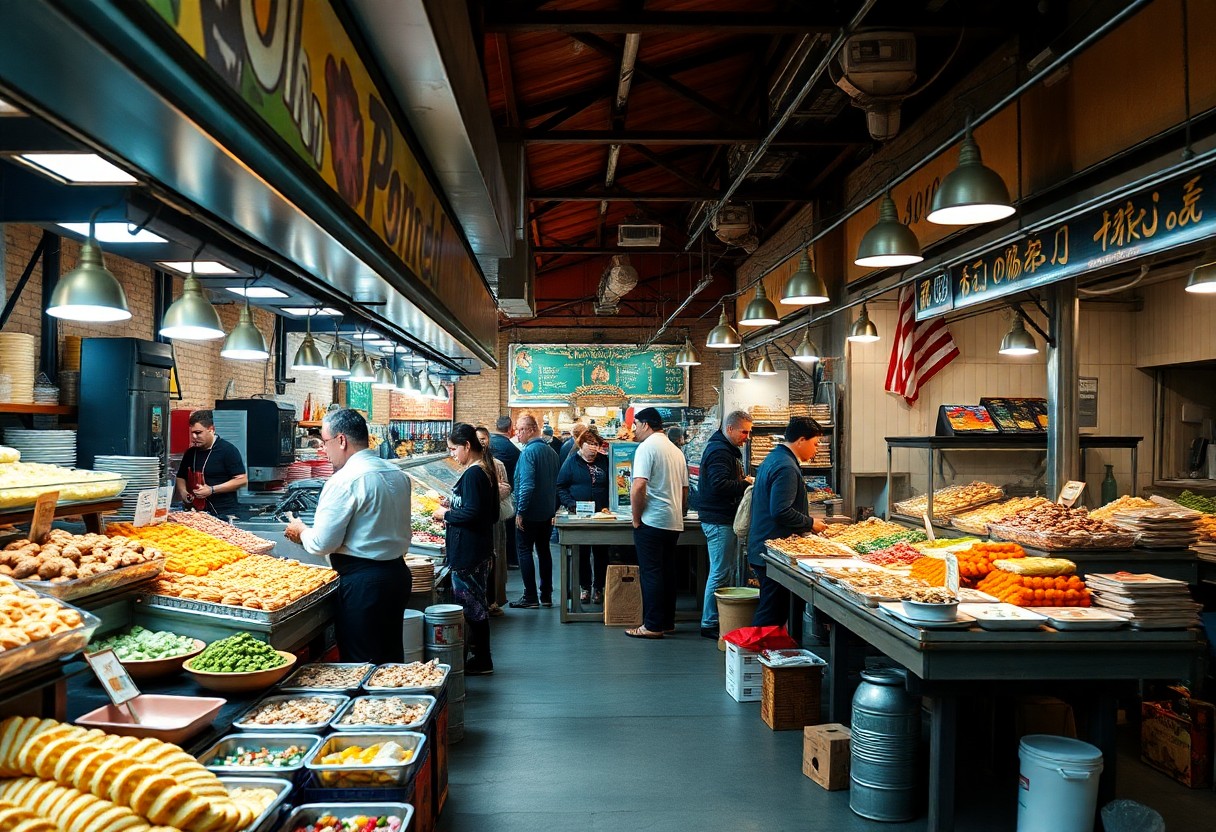
A homemade food marketplace is a digital platform where local cooks can offer their dishes to interested consumers. This system connects talented chefs with people who want to enjoy homemade meals, promoting local gastronomy and culinary diversity. Through this model, you can discover authentic flavors and traditional recipes that are often lost in commercial food.
Homlunch and similar home food marketplaces work very much like an Airbnb for food, connecting local cooks with consumers in a simple and secure way.
How the Marketplace Works
The operation of a homemade food marketplace is simple and efficient. Cooks create a profile to present their dishes, prices, and availability. Consumers can then browse options, place orders, and in many cases, receive food directly at their doorsteps. This model not only benefits cooks but also ensures buyers enjoy a unique, personalized experience.
In practice, homemade food marketplaces operate through an order and payment management system that streamlines transactions between cooks and clients. For instance, platforms like Homlunch allow users to filter by cuisine type, dietary preferences, or customer ratings. This provides the convenience of quickly choosing from a variety of options while promoting a collaborative economy that benefits small entrepreneurs within the community. Delivery logistics may vary, some cooks handle direct delivery, while others require pickup at a designated location.
Benefits for Local Cooks
Homemade food marketplaces offer multiple benefits for local cooks, allowing them to leverage their culinary talents and reach a broader audience. Through these platforms, you can build your personal brand, offer unique dishes, and connect with a community that values homemade food. This not only boosts your visibility but also creates an environment for growth and entrepreneurship.
Additionally, these platforms allow local cooks to increase their income and develop a business from home.
Visibility and Reach
Joining a homemade food marketplace significantly increases your visibility by giving you access to a larger customer base. Platforms often invest in digital marketing, meaning your offerings can be seen by thousands of people interested in home-cooked meals. This helps attract new clients who might never have discovered your dishes otherwise.
Income Opportunities
Homemade food marketplaces open doors to diverse income opportunities. You can set your own prices and offer varied menus, allowing you to maximize profits based on demand and cost. Additionally, many platforms allow direct payments, ensuring fair compensation for your time, effort, and quality ingredients.
By focusing on the quality and originality of your dishes, you can not only attract regular customers but also expand into catering for special events, increasing your earning potential. For example, offering a traditional family recipe on a marketplace can position you as an expert in traditional cuisine, appealing to customers willing to pay more for an authentic culinary experience. This strategy not only boosts your income but also strengthens your reputation as a local cook.
Additionally, these platforms allow local cooks to increase their income and develop a business from home.
Community Impact
Homemade food marketplaces have a significant impact on communities by fostering local development and promoting native gastronomy. By providing accessible platforms, they allow cooks to share their culinary traditions, contributing to the cultural and economic enrichment of their surroundings. This, in turn, creates a sense of belonging and unity among residents.
Supporting the Local Economy
By supporting local cooks, homemade food marketplaces stimulate the economy as a whole. Each sale not only benefits the cook but also contributes to the community through job creation and the use of local ingredients. This model ensures that resources stay within the region, strengthening the economy sustainably.
Connecting Producers and Consumers
These marketplaces act as bridges between food producers and final consumers. By facilitating access to local products, users can get to know the people behind their meals, creating a bond of trust and appreciation for quality. This type of interaction promotes more conscious and responsible consumption.
The connection between producers and consumers in a homemade food marketplace goes beyond a simple transaction. Through interaction, you can discover the story behind each dish, learn about ingredient sourcing, and even participate in events or workshops organized by cooks. This bond enriches your culinary experience, fosters loyalty toward local products, and contributes to community growth. By choosing these products, you directly support those who work hard in your area, creating a positive economic and social impact.
Challenges and Obstacles
Homemade food marketplaces face several challenges that can affect their growth and effectiveness. Market competition is fierce, meaning you must stand out not only through food quality but also through effective marketing. In addition, fluctuations in ingredient prices and changing consumer expectations can complicate operations.
Market Competition
Competition is one of the main challenges. With the rise of similar platforms, it’s essential to find your niche and offer something unique that attracts customers, such as family recipes or local ingredients. Strong online visibility and exceptional customer service are crucial to differentiating yourself from competitors.
Regulations and Compliance
Regulations can be complex for cooks operating on homemade food marketplaces. It’s crucial to comply with health, labeling, and other legal requirements that vary by region. This ensures customer safety and protects your business from penalties.
To operate legally, you must become familiar with your area’s regulations, which may include obtaining health permits and following food handling standards. Some regions even require specific certifications for home kitchens. Ignoring these rules can have serious consequences, so it’s vital to stay informed and compliant to avoid legal issues and maintain customer trust.
Success Stories
There are many examples of how homemade food marketplaces have transformed the lives of local cooks, allowing them to connect with broader audiences and establish successful businesses. These platforms not only provide a space to sell dishes but also offer tools for managing orders, payments, and marketing, making entrepreneurship more accessible. One such platform is Homlunch.
Local Cook Examples
A standout case is María, who, from her modest home in a small neighborhood, managed to double her income by selling her famous sauces and jams through a marketplace. Thanks to these platforms, her products have reached new customers and made a meaningful economic impact in her community.
Inspiring Stories
The stories of cooks who start from scratch and build recognized brands are a source of inspiration. These entrepreneurs not only create delicious food but also share stories of perseverance and resilience that motivate others to follow in their footsteps. Their success often translates into better living conditions and job opportunities for their families and neighbors.
An inspiring example is Juan, a cook who lost his job and decided to start his own homemade food business. Through a marketplace, he exponentially grew his clientele, eventually earning multiple awards for the quality of his dishes. Today, Juan not only supports his family but also employs others in his community, proving that entrepreneurship through marketplaces can change lives. His story highlights the importance of accessible platforms that let local talent shine and drive community development.
The Future of Homemade Food Marketplaces
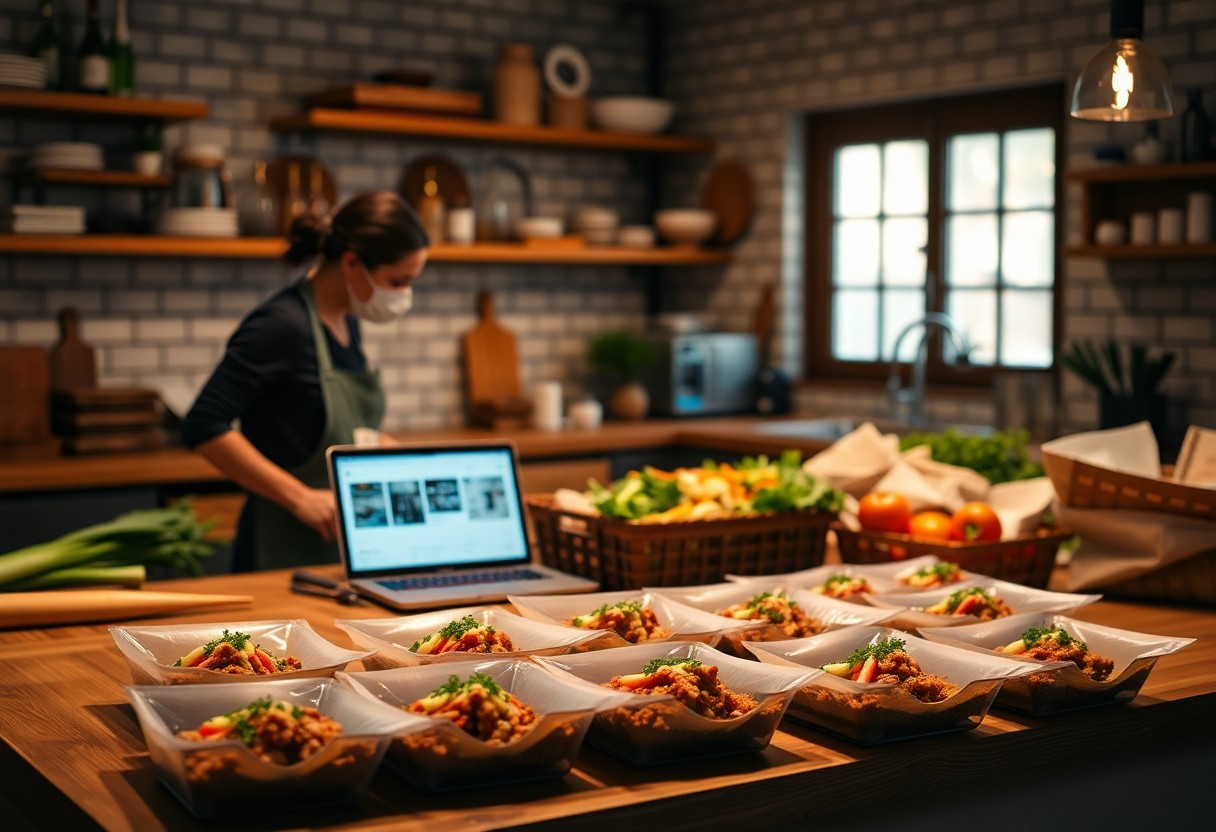
The future of homemade food marketplaces looks promising, driven by rising demand for authentic and healthy dining experiences. With the growing use of technology, these platforms are evolving to offer more user-friendly tools that connect local cooks with communities eager to support the local economy. Adaptability and innovation will be key to success in this new landscape.
With Homlunch, you can see which hosts are cooking near you, order authentic homemade dishes, and pick them up quickly, supporting local cooks while enjoying food made with care.
Emerging Trends
Emerging trends include menu customization, allowing users to choose specific ingredients and the integration of vegetarian and vegan options. Additionally, artificial intelligence is increasingly used to predict consumer preferences. These advancements create a more personalized culinary experience.
Growth Potential
The growth potential of homemade food marketplaces is undeniable, with projections suggesting a 25% increase in the next five years. This sector benefits from the “do-it-yourself” culture and appeals to consumers who care about the origin of their food and the impact of their choices on the local economy.
As awareness of sustainability and support for local producers rises, more consumers are turning toward options with fresh, high-quality ingredients. Platforms that empower local cooks to maximize visibility are well-positioned to capture a significant share of the market, especially among young adults who value unique, responsible culinary experiences. The combination of authenticity and convenience will continue to drive the popularity of these marketplaces, making them an essential part of contemporary gastronomy.
Conclusion
Homemade food marketplaces not only create new opportunities for local cooks but also foster meaningful connections between them and consumers. By enjoying authentic, home-cooked dishes made with love, you support small communities and contribute to the local economy. More than 70% of customers prefer to buy local products, highlighting the importance of these spaces. Thus, by choosing a homemade food marketplace, you actively participate in the sustainability and growth of your environment. The future promises even more innovation, making this option increasingly accessible and appealing.
FAQ
Q: What is a homemade food marketplace?
A: A homemade food marketplace is an online platform where local cooks can offer their prepared dishes to consumers. These marketplaces connect chefs with people looking for fresh, homemade food, promoting local gastronomy.
Q: How does it benefit local cooks?
A: Local cooks benefit by gaining a platform to sell their products without needing a physical storefront. They can also reach a broader audience and access marketing and payment tools that simplify selling their meals.
Q: What types of foods can be found in a homemade food marketplace?
A: You can find a wide variety of foods: traditional dishes, desserts, vegetarian and vegan options, and meals for specific diets. The selection depends on each cook’s skills and preferences.
Q: How is food quality ensured on these platforms?
A: Quality is maintained through user reviews and ratings, as well as compliance with hygiene and ingredient standards. Some marketplaces also verify cooks before listing them.
Q: Is it safe to buy food from local cooks through a marketplace?
A: Yes, buying food from local cooks through a marketplace is generally safe, as these platforms typically use secure payment systems and offer guarantees. Users can also leave comments and ratings, helping to maintain quality standards.