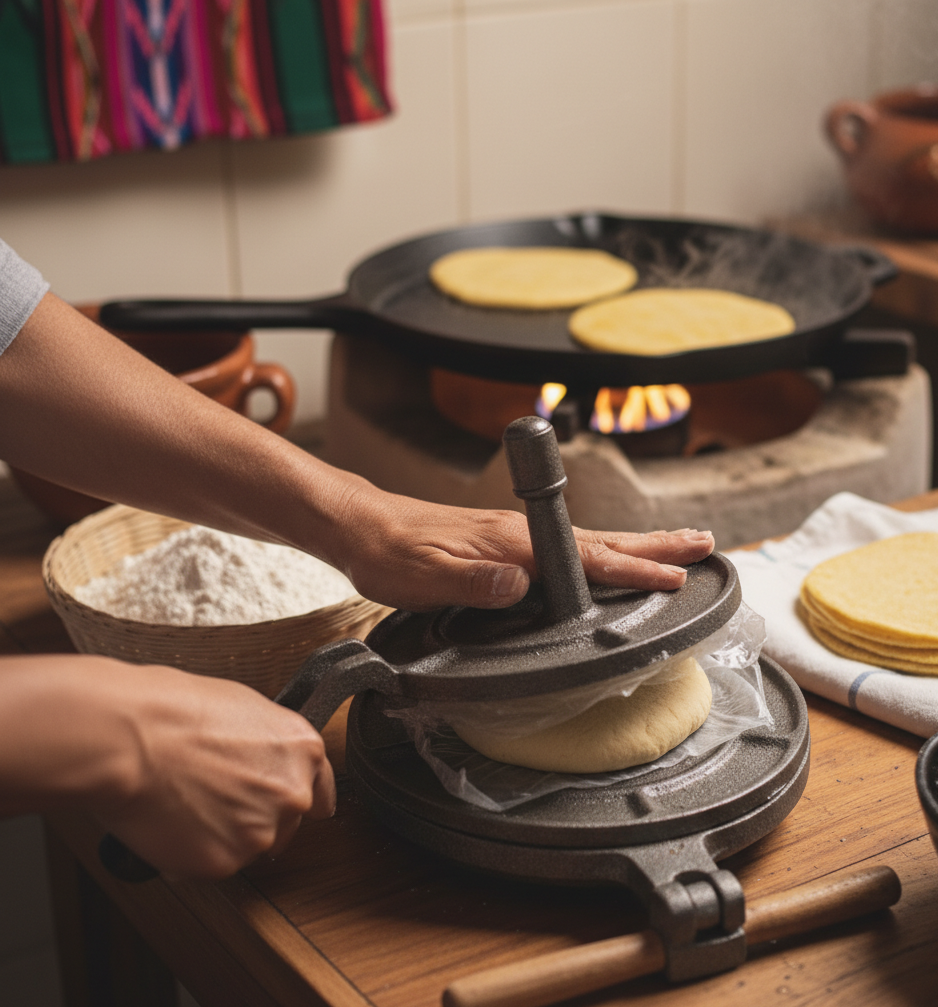


Traditional food refers to dishes that represent the cultural identity of a region or country. These meals typically use local ingredients, traditional cooking techniques, and flavors that reflect the history of a community.
Traditional food is more than just a recipe; it is the cultural expression of a region or country, reflecting its history, customs, and local ingredients. Every country, state, or community has dishes that identify it and that have been passed down from generation to generation.
In this article, we explore what traditional food is, how it is defined, why it matters, and how it is enjoyed around the world.
🌿 Definition of Traditional Food
Traditional food can be defined as:
Dishes, recipes, and preparations that represent the identity of a region and use local ingredients, traditional techniques, and characteristic flavors.
It is not only about what is popular, but about what reflects the culinary culture of a place.
In Mexico, this culinary identity is reflected in dishes that have transcended generations. Learning about the 10 most typical Mexican dishes helps explain how local ingredients and family traditions have shaped the country’s gastronomy, showing not only flavor but also history and culture in every bite. Discover them here.
🌎 Characteristics of Traditional Food
Local ingredients: based on products grown or produced in the region.
Traditional techniques: preparation methods passed down through generations.
Distinctive flavor: combines spices, textures, and unique ingredient combinations.
Cultural identity: each dish tells a story or is linked to celebrations.
📊 Traditional Food Around the World
| Country | Most representative dish | Main ingredient |
|---|---|---|
| Mexico | Tacos | Corn |
| Colombia | Bandeja paisa | Beans |
| Italy | Pizza | Wheat flour |
| Japan | Sushi | Rice |
| India | Curry | Spices |
| Spain | Paella | Rice |
This table shows how each country has dishes that symbolize its gastronomy and history.
Traditional Food in Mexico
Mexico has one of the most diverse gastronomies in the world. Some of its most representative dishes include:
-
Tacos
-
Mole
-
Tamales
-
Pozole
-
Chiles en nogada
Among Mexican dishes, tacos stand out as a clear example of a traditional meal that represents the country’s diversity and food culture. If you want to explore what makes a dish typical in Mexico and how it is enjoyed in everyday life, you can read more about it here.
🍽️ Discover Homemade Mexican Food
Enjoy traditional dishes prepared by local cooks and experience Mexican cuisine the way it is enjoyed at home.

Traditional Food in Colombia
Colombian cuisine combines indigenous, Spanish, and African influences. Some of its best-known dishes include:
-
Bandeja paisa
-
Ajiaco
-
Arepas
-
Sancocho
-
Colombian tamales
Each region of the country has its own interpretation of these dishes, which makes Colombian gastronomy very diverse.
Traditional Food in Italy
Italy is globally recognized for its cuisine. Some of its most iconic dishes include:
-
Pasta
-
Pizza
-
Risotto
-
Lasagna
Italian cooking is known for using simple but high-quality ingredients such as olive oil, tomatoes, and fresh herbs.
Traditional Food in Japan
Japanese gastronomy is known for its balance and presentation. Some of its most famous dishes include:
-
Sushi
-
Ramen
-
Tempura
The use of rice, fresh fish, and precise techniques defines Japan’s culinary identity.
🍲 Traditional Food in Modern Life
Today, traditional food adapts to faster lifestyles and new ways of consuming meals. However, its essence remains thanks to cooks, local markets, and platforms that bring traditional cuisine closer to people’s homes.
In Mexico, for example, Homlunch makes it possible to discover homemade dishes prepared by local cooks and explore new culinary options from your mobile device, making it easier to find authentic food near you and enjoy it whenever you want.
🍳 Turn Your Kitchen into Income
If you know how to cook traditional dishes, you can also share your flavors with others.
Publish your dishes, connect with diners, and generate income by cooking from home.

Conclusion
Traditional food is much more than food: it is history, culture, and a way to connect with a place. Learning about it and tasting it means understanding the identity of each region and country.
👉 The next time you eat something traditional, remember that you are enjoying centuries of culinary tradition.
Frequently Asked Questions
What is the difference between traditional food and typical food?
Traditional food refers to recipes passed down through generations, while typical food refers to dishes that represent the identity of a specific region.
What defines a typical dish?
A typical dish is defined by the use of local ingredients, traditional cooking techniques, and its connection to the culture or history of a region.
Why is traditional food important?
Because it reflects the cultural identity of a community and helps preserve culinary traditions over time.
Food Trends in México: Most Searched in 2026
Food trends in México evolve rapidly in 2026. The food delivery market in Mexico and LATAM surpassed $2.3 billion USD in 2025, with 28% projected growth for 2026.
Data confirms consumers in México are more sophisticated than ever: 71% prefer homemade food over restaurants when available, and 68% of online orders expect delivery under 45 minutes.
Most searched food topics in México in 2026
- Authentic homemade food — Fresh, preservative-free, with original recipes.
- Regional dishes — Local gastronomy converts 35% better than generic dishes on digital platforms.
- Express delivery — Under 45 minutes in urban areas.
- Personalization — Customers request customizations and home cooks deliver them.
On Homlunch, all these trends combine: local home cooks with fresh ingredients, original recipes and personalized attention.